Understanding the Divine Path
Islam is not merely a religion - it is a complete way of life, a divine guidance system that addresses every aspect of human existence.
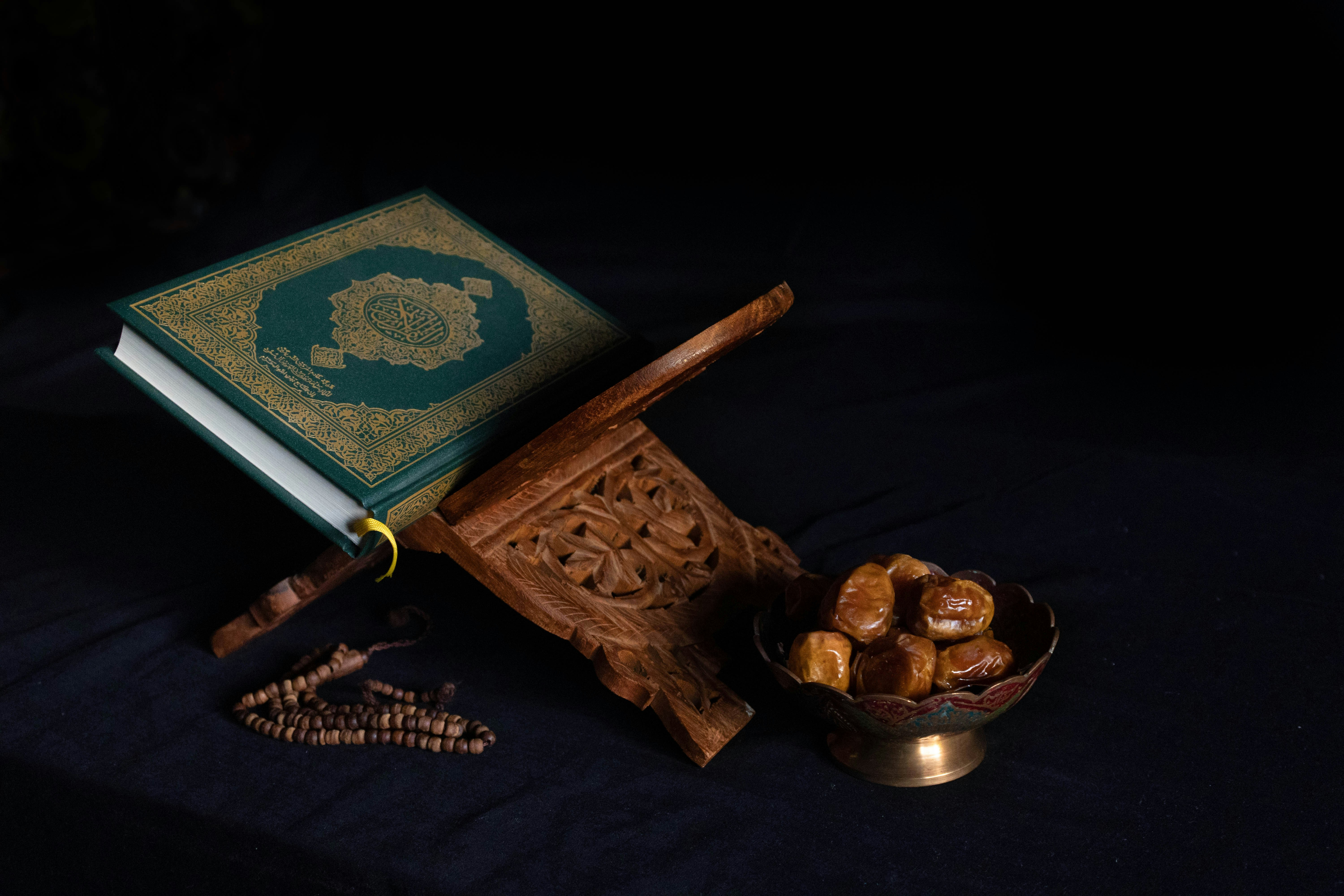
What is Islam?
Islam is not merely a religion - it is a complete way of life, a divine guidance system that addresses every aspect of human existence. The word "Islam" itself means "peace" and "surrender" - specifically, surrender to Allah's will to achieve true inner peace.
Islam teaches that every human being is naturally inclined toward recognizing Allah and submitting to His guidance. This natural inclination, known as the fitrah, makes Islam accessible to all hearts seeking truth.
Core Principles of Islam
- Tawhid (Monotheism): Belief in one God, Allah
- Risalah (Prophethood): Divine guidance through messengers
- Akhirah (Afterlife): Accountability and eternal life
- Qadar (Divine Decree): Trust in Allah's wisdom
- Justice and Mercy: Balance in all aspects of life
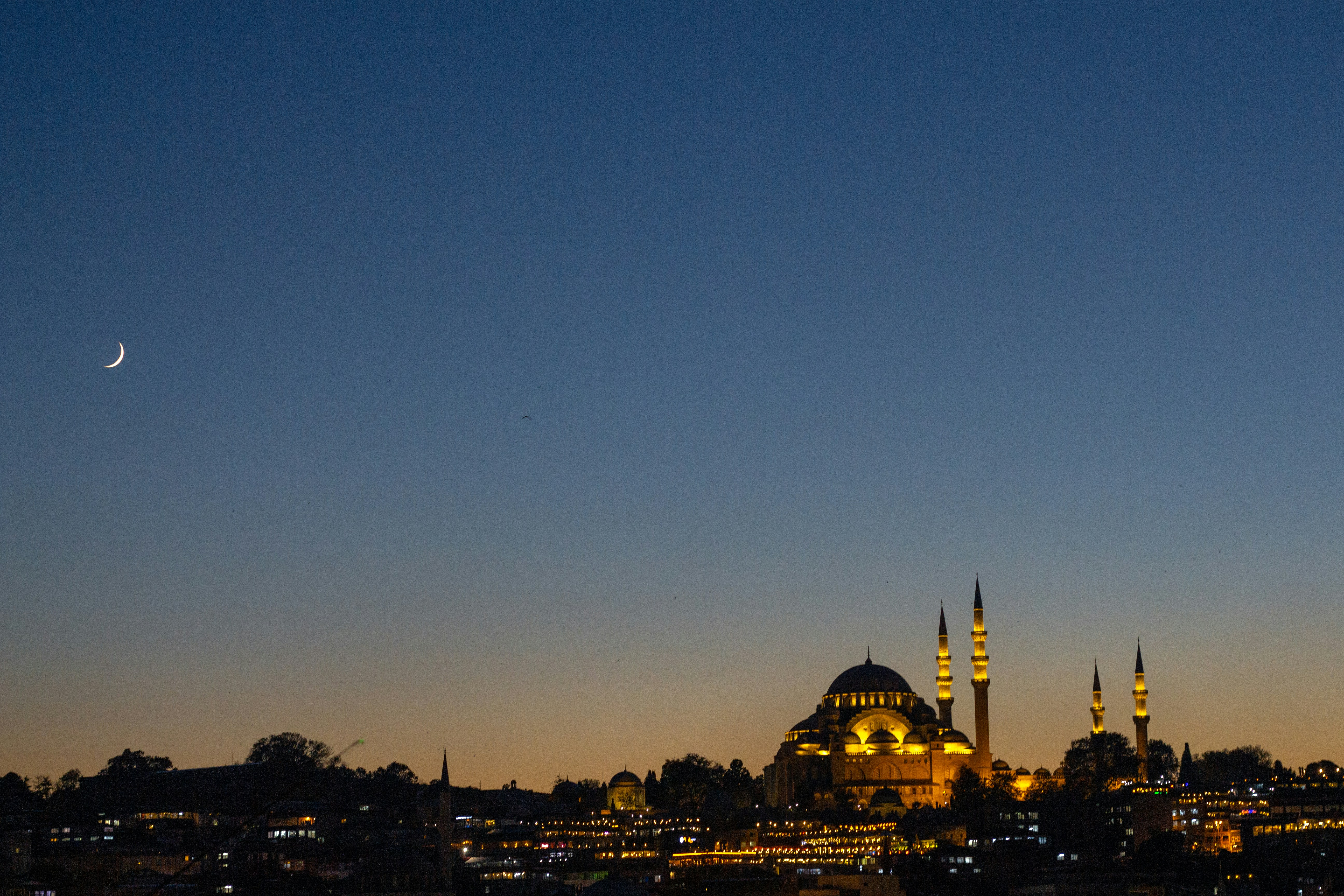
Who is Allah?
In Islam, Allah is the one and only God - the Creator and Sustainer of all existence. Allah is not a religion's god or a concept - Allah is the one true God worshipped by all prophets and people of faith throughout history.
The Beautiful Names of Allah
- Ar-Rahman (The Most Gracious): Overflowing mercy and kindness
- Ar-Rahim (The Most Merciful): Gentle, compassionate love
- Al-Quddus (The Most Holy): Pure, free from all imperfections
- As-Salam (The Source of Peace): The ultimate source of peace and safety
- Al-Mu'min (The Believer): One who gives peace and security
Allah's Characteristics
- Absolute perfection in all attributes
- Complete justice and wisdom
- Infinite mercy and compassion
- Sovereignty over all creation
- Presence in every moment of existence
The Prophets - Messengers of Mercy
Islam teaches that Allah sent prophets to every nation throughout history, each bringing the same essential message: to worship Allah alone and live righteously. These prophets are the most honored figures in Islamic tradition, serving as role models for humanity.
Major Prophets in Islam
- Prophet Adam: The first human and first prophet
- Prophet Noah: The builder of the ark, symbol of salvation
- Prophet Abraham: The father of monotheism, model of faith
- Prophet Moses: The lawgiver, recipient of divine guidance
- Prophet Jesus: Born of the Virgin Mary, miracle worker
- Prophet Muhammad: The final messenger and seal of prophecy
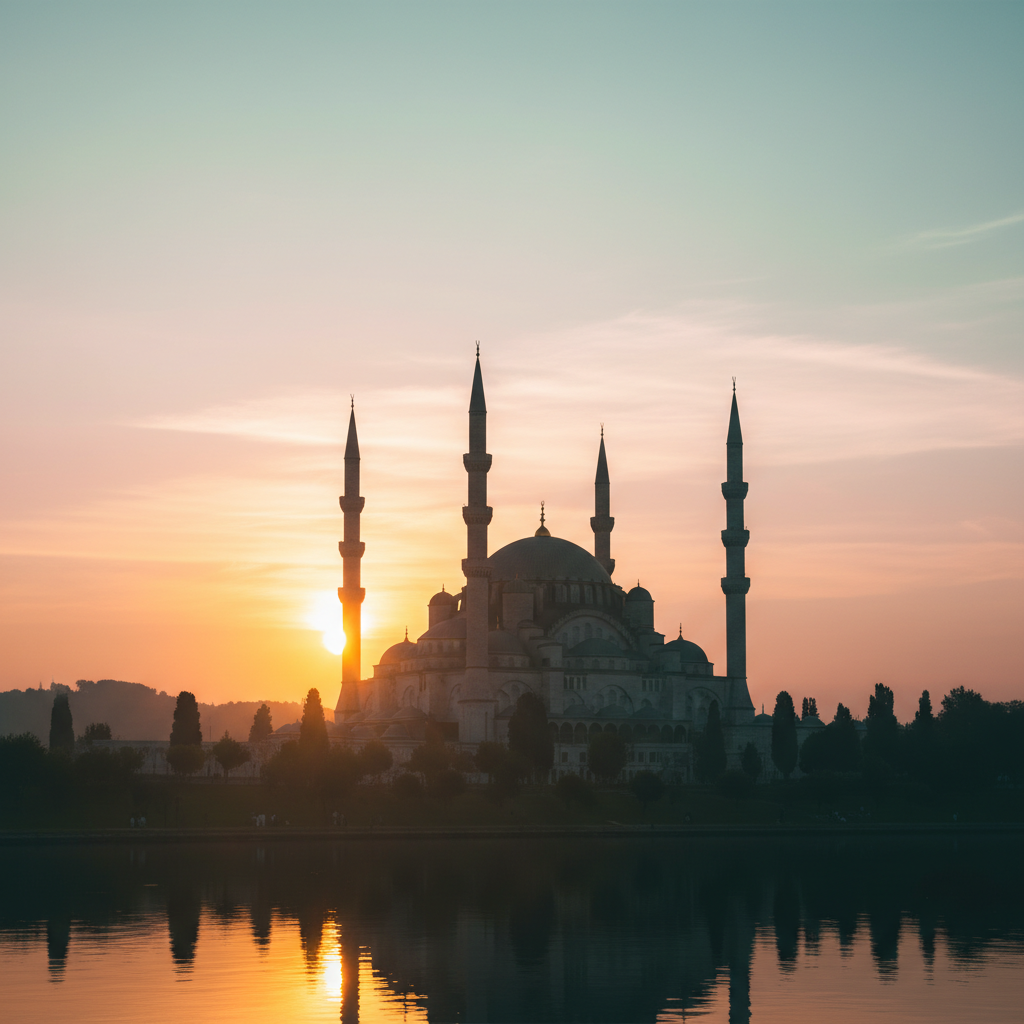
Each prophet brought specific guidance suited to their people and time, but the core message remained consistent: surrender to Allah's will and live virtuously.
The Quran - Divine Guidance
The Quran is the final revelation from Allah, sent through Prophet Muhammad as guidance for all humanity until the end of time. Unlike other scriptures, the Quran has been preserved perfectly in its original Arabic text since its revelation over 1400 years ago.
The Quran Offers
- Spiritual guidance for the soul
- Practical wisdom for daily life
- Scientific insights about creation
- Legal principles for society
- Promise of eternal life and divine mercy
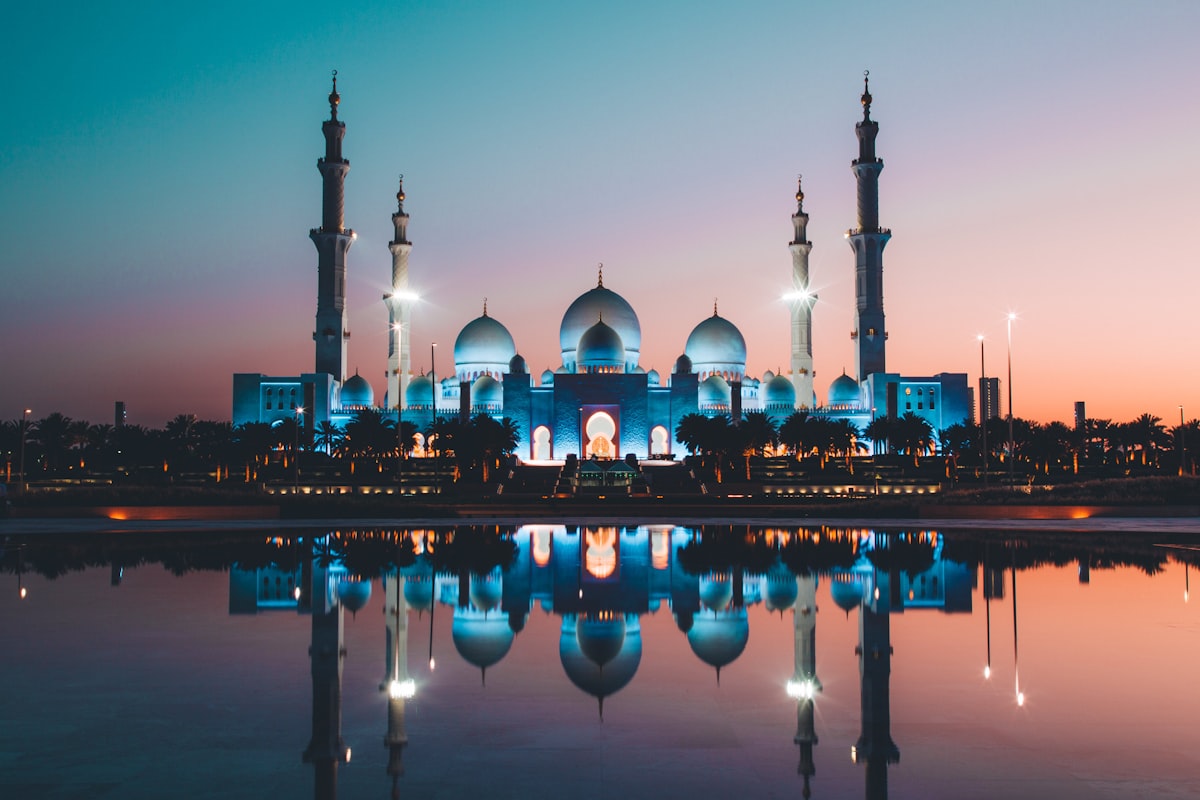
The Quran addresses universal human needs and questions, providing comfort to the troubled, hope to the despairing, and direction to the lost.
The Five Pillars of Islam
The Five Pillars form the foundation of Islamic practice, creating a comprehensive framework for spiritual and social life:
لَا إِلَٰهَ إِلَّا اللَّهُ مُحَمَّدٌ رَسُولُ اللَّهِ
"La ilaha illa Allah, Muhammad rasul Allah" (There is no god but Allah, Muhammad is His messenger)
The foundation of belief and entry into Islam. This declaration affirms monotheism and acceptance of Prophet Muhammad's message.
Five daily prayers connecting the believer with Allah. These prayers provide regular spiritual renewal and guidance throughout the day, helping maintain consciousness of Allah.
- Fajr: Dawn prayer
- Dhuhr: Midday prayer
- Asr: Afternoon prayer
- Maghrib: Sunset prayer
- Isha: Night prayer
Obligatory charity to help the poor and needy. Zakat teaches compassion and social responsibility, purifying wealth and creating a more equitable society.
Typically 2.5% of savings and wealth above a certain threshold (nisab) is given annually to those in need.
Annual month of fasting from dawn to sunset during Ramadan. This develops self-discipline, empathy for the less fortunate, and spiritual purification.
During fasting hours, Muslims abstain from food, drink, and intimate relations, focusing on prayer, reflection, and charitable acts.
Journey to the sacred house in Mecca if physically and financially able. Hajj represents the unity of all humanity in worship, as millions gather from every corner of the world.
This pilgrimage follows the footsteps of Prophet Abraham and includes specific rituals that symbolize submission to Allah and solidarity with fellow believers.
Islam and Peace - Clearing Misconceptions
Addressing harmful stereotypes with facts and authentic Islamic teachings
The Reality of Islam
- "Islam" means peace and submission: The very name of the religion emphasizes peace through submission to Allah
- 1.8 billion peaceful Muslims: The vast majority of Muslims worldwide live peaceful, productive lives
- Modern and progressive: Muslims are doctors, engineers, teachers, and leaders in every field
- Diverse global community: Muslims come from every ethnicity, culture, and background
- Community contributors: Muslims actively contribute to their societies through charity, service, and civic engagement
Islamic Values
- Mercy and compassion: Core attributes emphasized throughout Islamic teachings
- Justice and fairness: Islamic law emphasizes protecting the innocent and upholding justice
- Respect for life: "Whoever saves a life, it is as if he has saved all mankind"
- Tolerance and coexistence: Historical examples of Muslims protecting religious minorities
- Education and knowledge: "Seek knowledge from cradle to grave" - fundamental Islamic principle
Addressing Common Stereotypes
Reality: Terrorism and extremism are condemned by Islamic teachings and the overwhelming majority of Muslims worldwide.
- Islamic principle: "Whoever kills an innocent person, it is as if he has killed all mankind"
- Statistical reality: Most terrorism victims are actually Muslims themselves
- Religious condemnation: Major Islamic scholars and organizations consistently condemn terrorism
- Community response: Muslim communities actively work to prevent extremism
Reality: Islam granted women revolutionary rights 1,400 years ago and continues to honor women today.
- Historical achievement: First university was founded by a Muslim woman (Fatima al-Fihri)
- Educational rights: "Seeking knowledge is obligatory upon every Muslim" - includes women
- Property rights: Women can own, inherit, and control property independently
- Professional success: Muslim women are leaders in science, politics, business, and education
- Choice in marriage: Women have the right to choose their spouse and cannot be forced into marriage
Reality: Islam has a rich history of scientific advancement and continues to thrive in the modern world.
- Golden Age contributions: Muslims pioneered advances in mathematics, medicine, astronomy, and philosophy
- Modern achievements: Muslim scientists, doctors, and engineers lead breakthroughs today
- Technological adoption: Muslim communities embrace beneficial technology and scientific progress
- Educational excellence: Many top universities and research centers are in Muslim-majority countries
- Progressive interpretations: Islamic scholarship continues to evolve and address contemporary issues
Islam teaches that diversity is part of Allah's plan, and that mutual understanding and respect are essential for humanity to thrive together.
These fundamental aspects of Islam work together to create a holistic way of life that nurtures both spiritual and worldly well-being. Through understanding Allah, following the guidance of the prophets, studying the Quran, and practicing the Five Pillars, Muslims find a clear path to spiritual fulfillment and social harmony.